Continuously running fixed-displacement unit
The motor keeps running during both motion and holding.
Measure the holding share and idle energy to identify retrofit potential.
ENERGY INTO VALUE
The motor does not need to idle throughout the holding phase. Understand the principle, then calculate the benefit using your machine data.
Calculate savings ↓INTERMITTENT PRESSURE HOLDING
A standard three-phase induction motor drives the pump to establish the pressure required for the motion.
During the holding phase, the motor stops and an accumulator supports pressure holding.
A programmable logic controller (PLC) reads the pressure signal, restarts the motor below a set threshold and stops it at the set pressure.
COMPARE THE OPERATING CYCLE
The motor keeps running during both motion and holding.
Measure the holding share and idle energy to identify retrofit potential.
A standard motor, PLC pressure feedback and an accumulator stop the motor during holding and recharge at a set threshold.
Suited to short motion and long holds; size for leakage, allowed pressure drop and response.
Motor operation is adjusted to follow changing hydraulic demand.
For sustained flow or demanding dynamics, compare response, energy and total cost alongside intermittent holding.
YOUR NUMBERS. YOUR SAVINGS.
Start with your machine data.
kWh → valueComplete the inputs to estimate savings and payback. Annual operating hours must be greater than zero and no more than 8,784.
Estimate based on your inputs; excludes financing and the time value of money. Include installation, commissioning and downtime in the investment.Discuss my machine ↗APPLICATION CASES
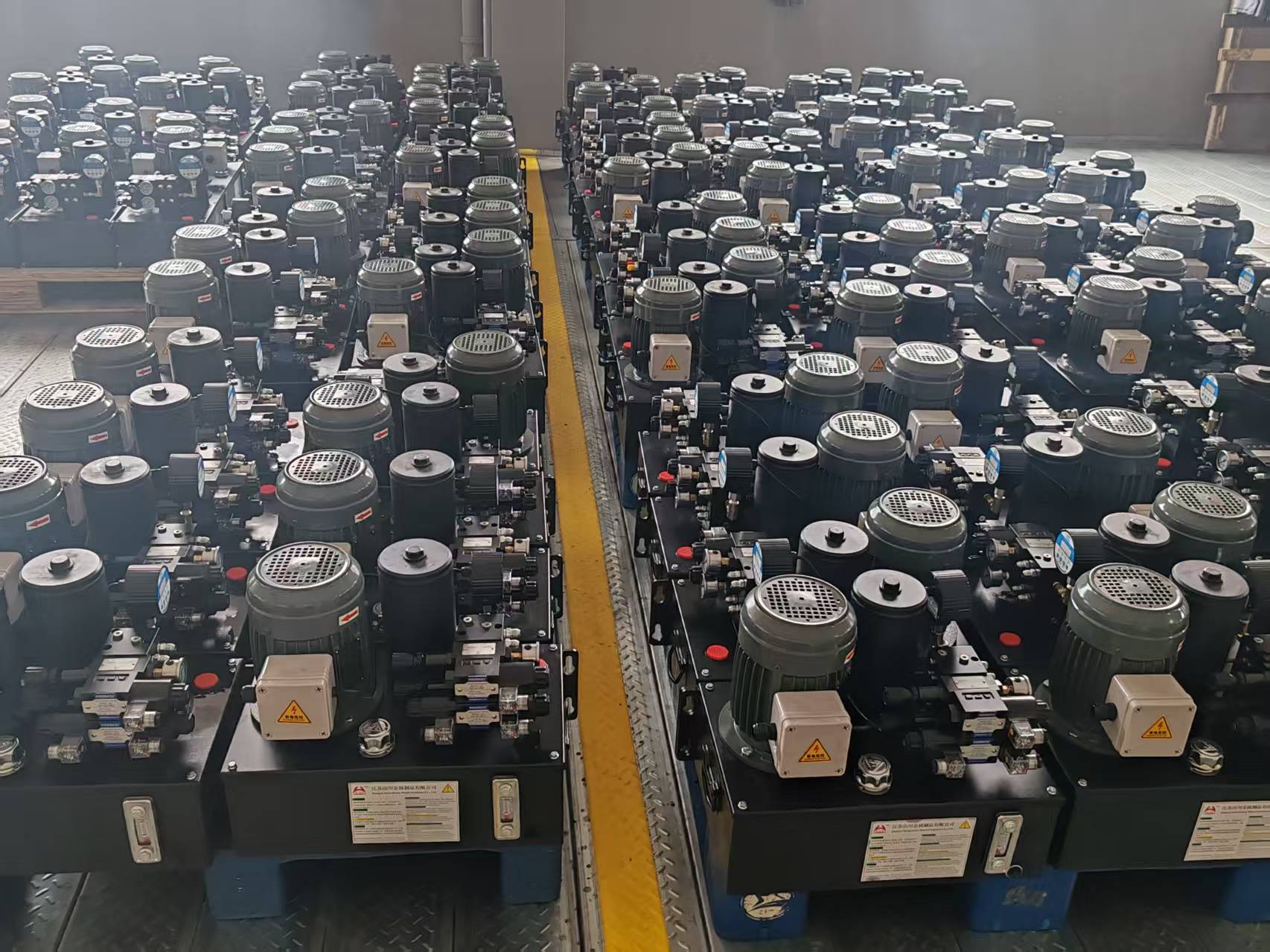

01 / China · 成都市林翔机械设备有限公司 (Chengdu Linxiang Machinery Equipment)
Fixtures remain clamped during cutting, then release the workpiece for unloading.
Project duty: 150–300 s holding time; 3.2 MPa system pressure.
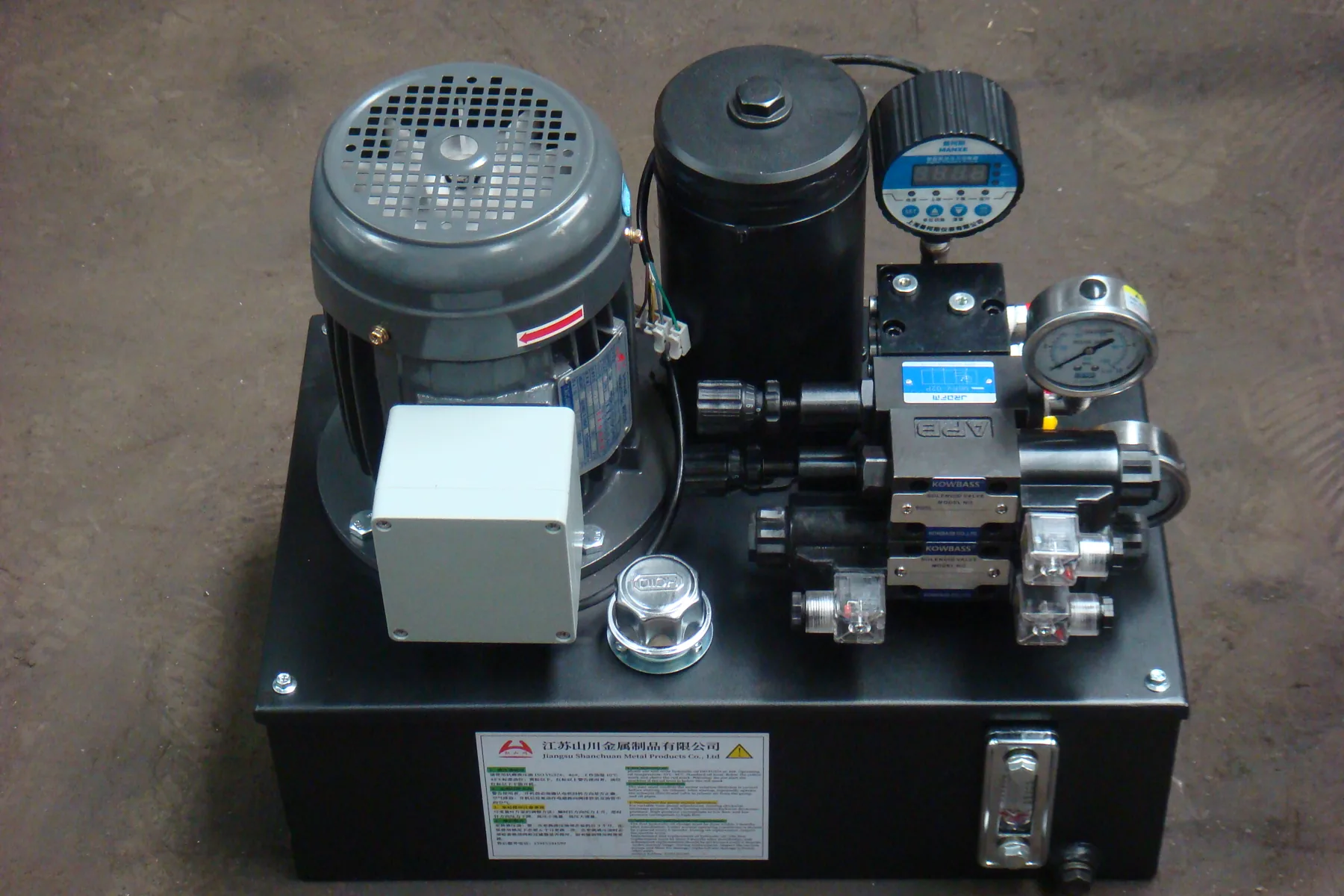

02 / China · 重庆志成机械有限公司 (Chongqing Zhicheng Machinery)
Close and clamp the mould, hold pressure, then release for opening and part removal.
Project duty: 100–140 s holding time; 6.3 MPa system pressure.
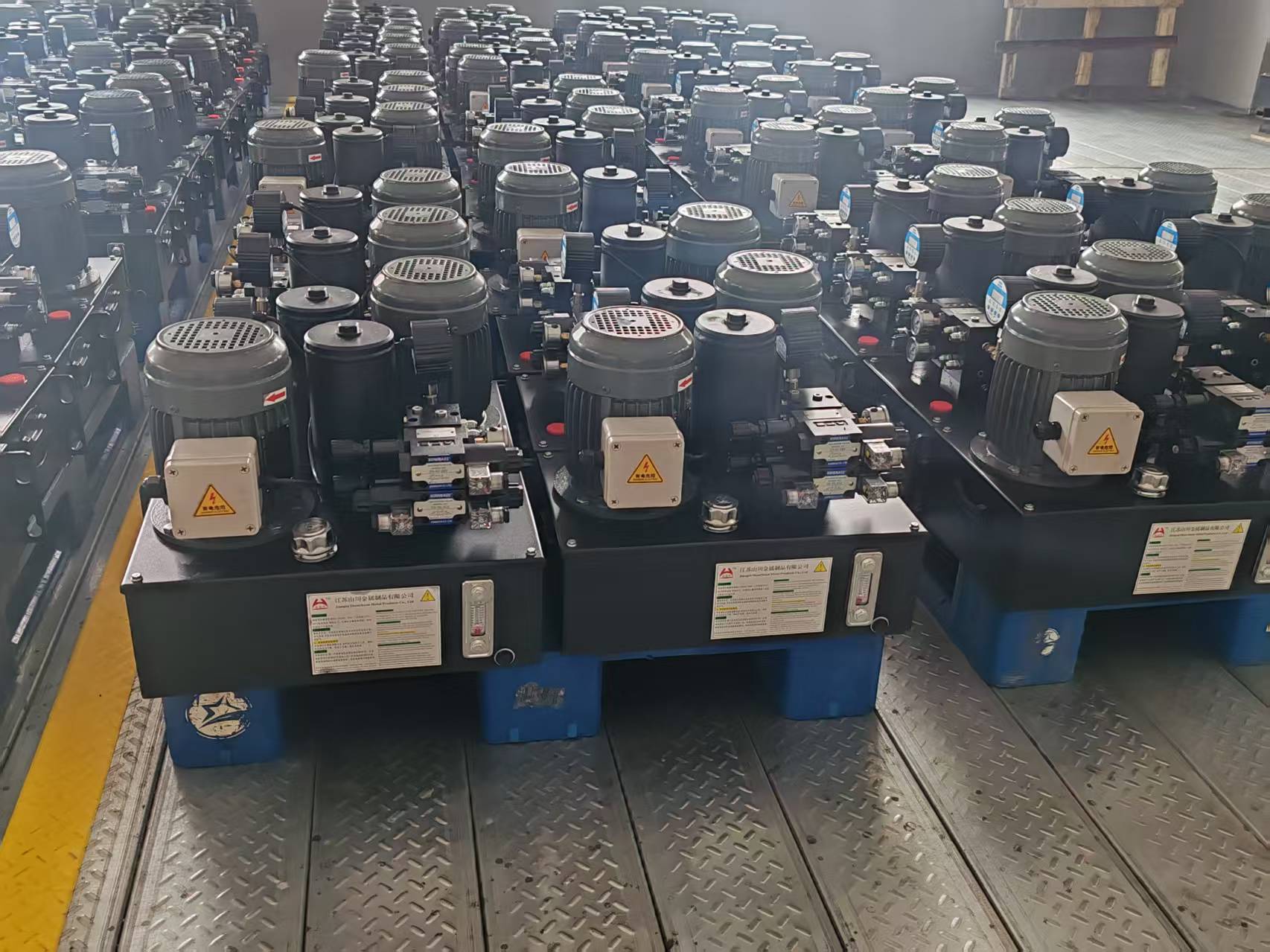
03 / China · 重庆日鑫包装有限公司 (Chongqing Rixin Packaging)
The platen presses and holds the material during forming, then releases for opening and material replacement.
Project duty: 80–120 s holding time; 4.5 MPa system pressure.
Measure hydraulic power unit energy consumption over comparable production cycles, then apply the actual operating hours and electricity tariff. Hydraulic energy savings depend on the original system and holding duty. A hydraulic energy payback calculation must also include equipment, installation, commissioning and maintenance costs; calculator outputs are scenarios, not a guaranteed return.