CNC workholding
Reduce idle running after clamping while supporting the machining hold.
Explore the solution →APPLICATIONS / DUTY FIRST
From machine-tool workholding to casting and packaging, we apply intermittent pressure holding to different production cycles to help customers reduce energy use and heat.
APPLICATION SOLUTIONS
Reduce idle running after clamping while supporting the machining hold.
Explore the solution →Plan around long holds, ambient heat and maintenance needs.
Explore the solution →Separate pressing, holding and return motion to reduce holding energy.
Explore the solution →APPLICATION CASES
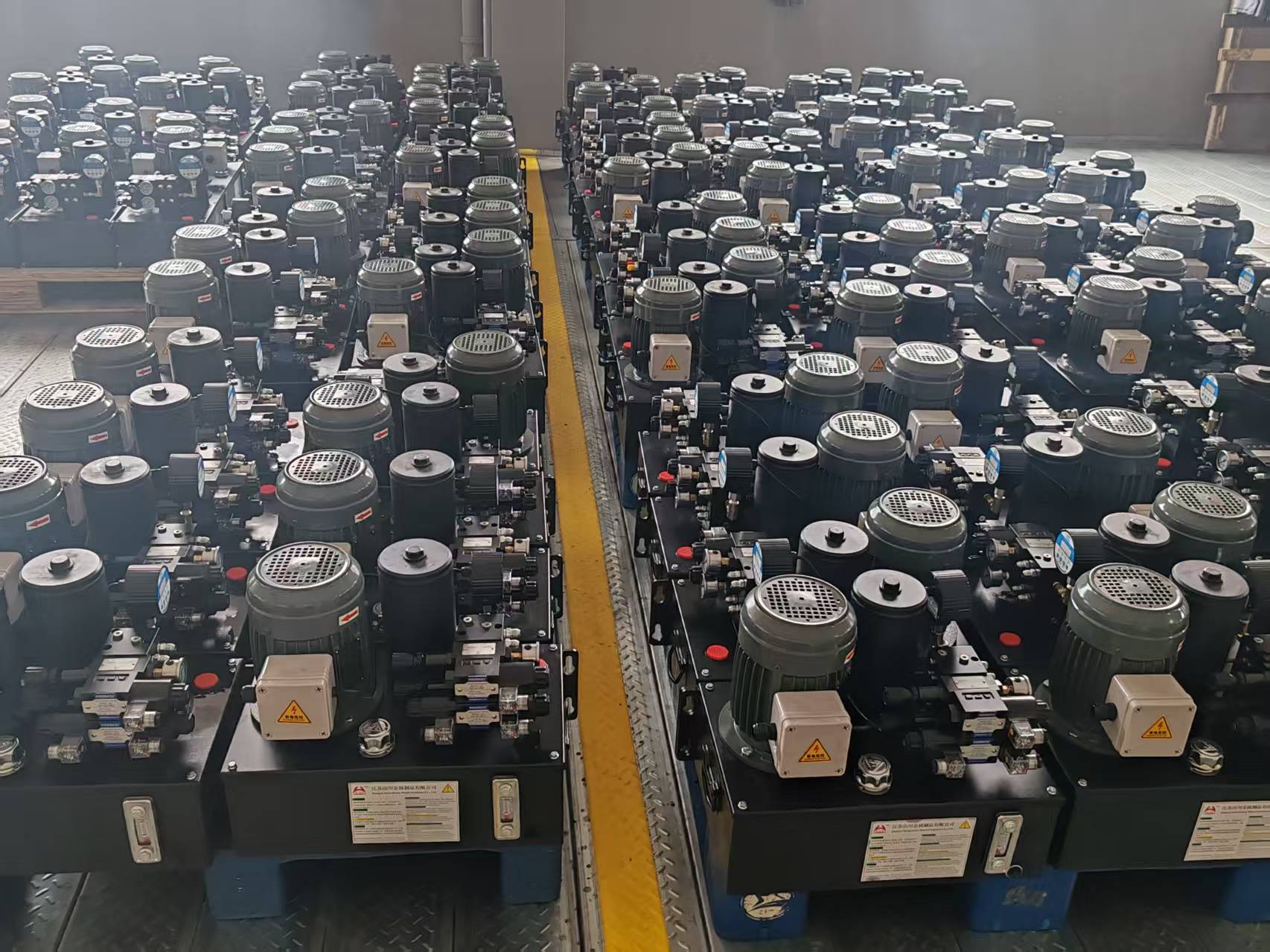

01 / China · 成都市林翔机械设备有限公司 (Chengdu Linxiang Machinery Equipment)
Fixtures remain clamped during cutting, then release the workpiece for unloading.
Project duty: 150–300 s holding time; 3.2 MPa system pressure.
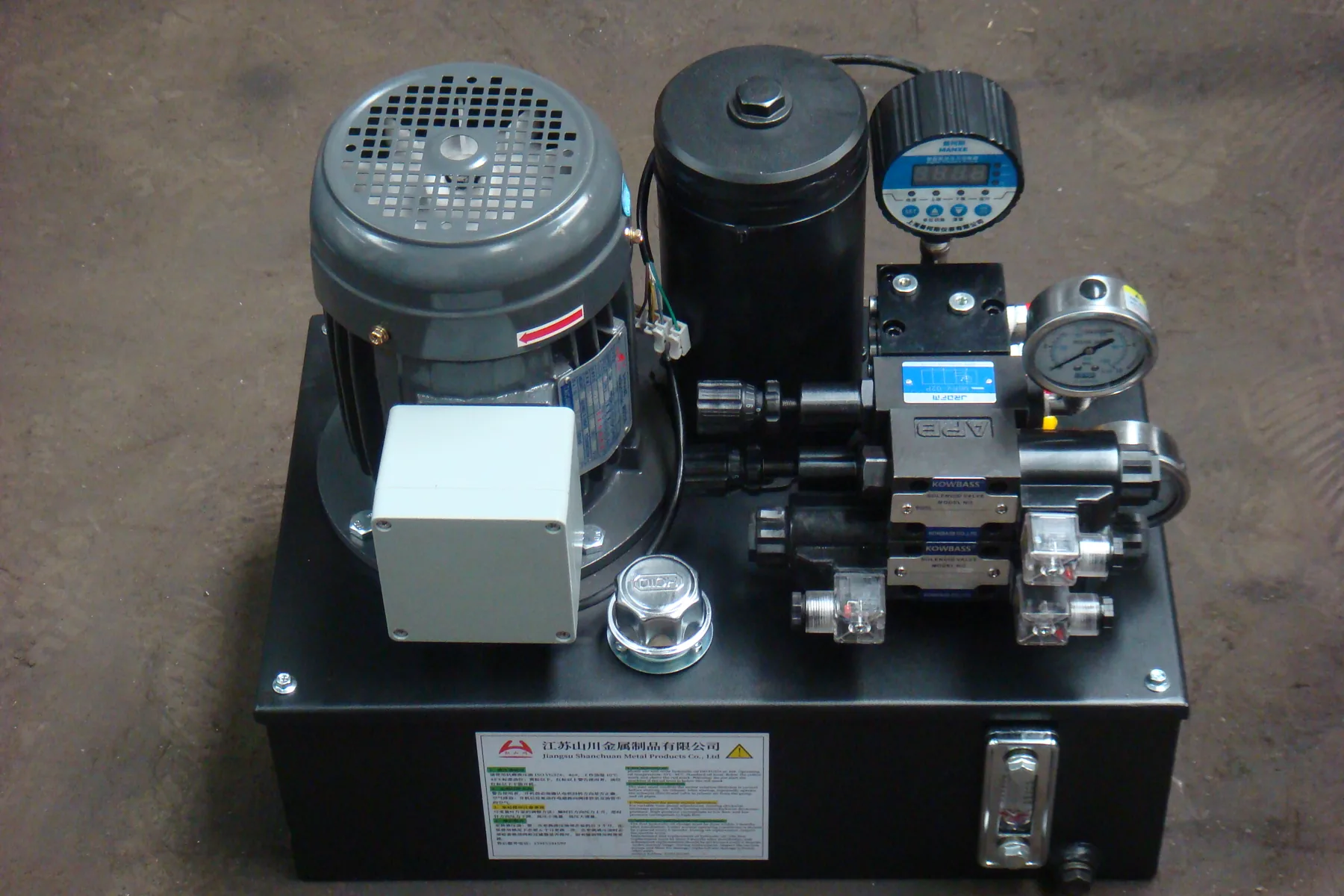

02 / China · 重庆志成机械有限公司 (Chongqing Zhicheng Machinery)
Close and clamp the mould, hold pressure, then release for opening and part removal.
Project duty: 100–140 s holding time; 6.3 MPa system pressure.
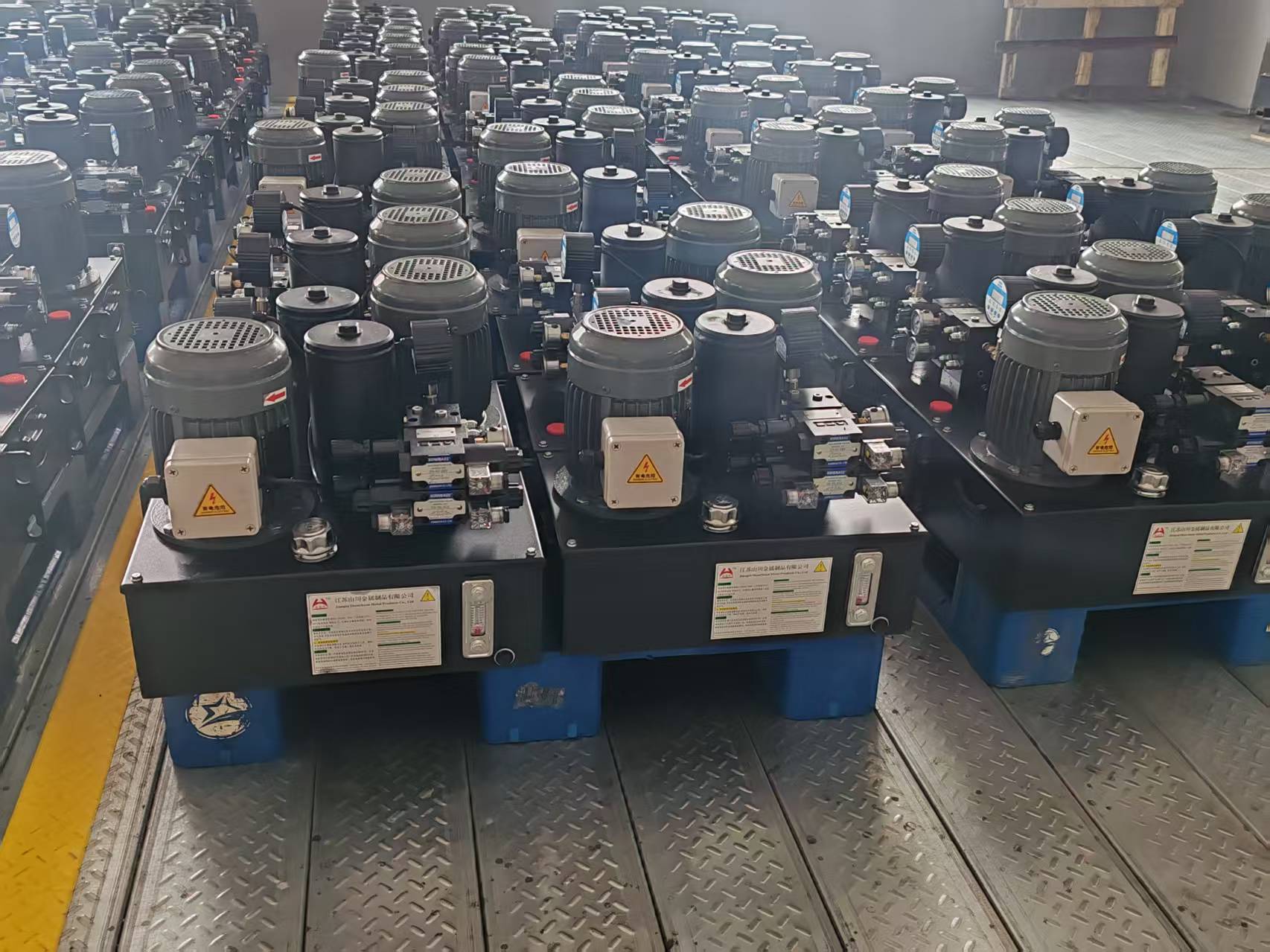
03 / China · 重庆日鑫包装有限公司 (Chongqing Rixin Packaging)
The platen presses and holds the material during forming, then releases for opening and material replacement.
Project duty: 80–120 s holding time; 4.5 MPa system pressure.
ENERGY INTO VALUE
Make each holding phase count. Stop the motor after motion, then recharge when pressure reaches the set threshold, reducing energy use and heat from continuous idle running.
Save 75% or more in short-motion, long-hold applications. Turn reduced electricity use into lower running costs and get more value from every clamping cycle.
For chuck, tailstock and turret actions that require pressure holding.
For hydraulic actions in fixtures, pressing, test rigs and special-purpose lines.
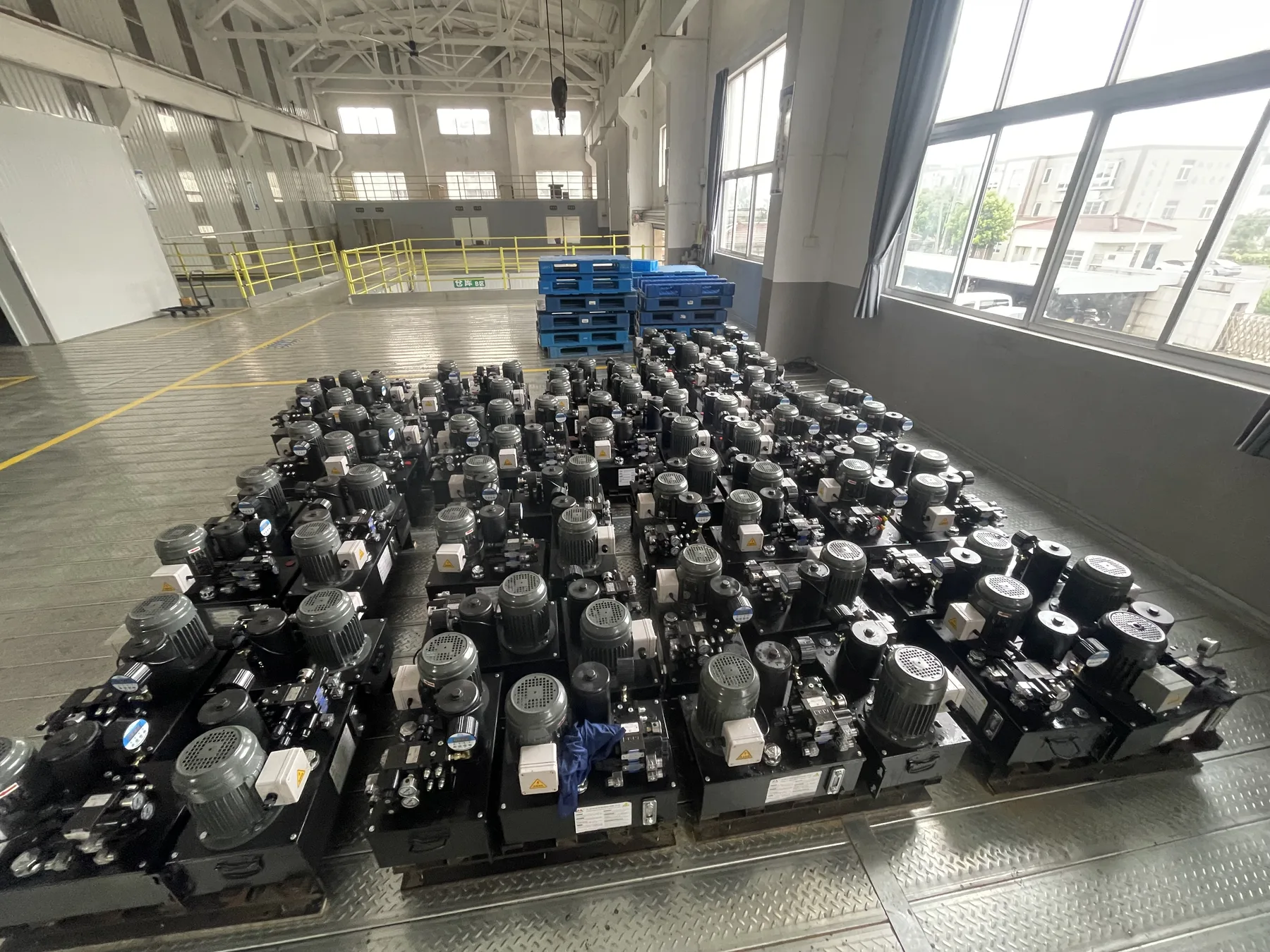
For repeat machine platforms confirmed through controlled configurations and project documents.
MEASUREMENT METHOD
Start with the CNC hydraulic case study, casting fixture case or EPE forming case that resembles your process. Compare pressure holding projects by motion, holding time, interfaces and retained equipment. Customer case conditions provide a discussion basis, not a guarantee that the same unit or savings will apply to another machine.